






Build Your Best Home Workout: The Simple Weekly Plan That Actually Works

You don't need to train every day to get stronger.
You don't need a garage full of expensive equipment, either.
And you certainly don't need to spend two hours in the gym every time you work out.
What you do need is a training plan that fits around your life, gives your body enough stimulus to adapt, and allows you enough time to recover.
That's the real advantage of training at home. You can build your workouts around the equipment you actually own, the time you actually have and the goals you actually care about.
Whether your home gym consists of a pair of dumbbells and a bench or a fully equipped garage with a rack, barbell and weight plates, you can build an effective weekly routine without overcomplicating things.
The key is to focus on the fundamentals, train consistently and make gradual progress.
How Often Should You Train at Home?
For most people, three or four strength sessions per week provides an excellent balance between training and recovery.
Three sessions can be particularly effective if you're short on time or returning to regular training. Four sessions give you a little more flexibility to spread your workload across the week.
You don't need to train the same number of days every week, either.
A busy week might mean three 30-minute sessions. A quieter week might allow four 45-minute workouts.
What matters most is consistency over the long term.
A realistic programme that you follow for six months will always beat the perfect programme that you abandon after three weeks.
The Golden Rule: Train the Whole Body
One of the easiest ways to structure home training is with full-body workouts.
Rather than dedicating an entire session to your chest or arms, each workout includes movements that train the major areas of the body.
That might mean combining:
- A squat or lunge
- A pushing exercise
- A pulling exercise
- A hip-hinge movement
- A core exercise
This approach works particularly well for home gyms because you can create an effective session without needing a huge range of specialist equipment.
It also means that if you miss a workout, you're not necessarily neglecting an entire muscle group for another week.
The Five Movement Patterns to Build Around
Rather than thinking about dozens of individual exercises, start by thinking about movement patterns.
These five categories give you a simple framework for building almost any home workout.
1. Squat
Squatting movements primarily train the legs while also demanding stability through the core.
Depending on your equipment and experience, options include:
- Bodyweight squats
- Goblet squats
- Barbell back squats
- Front squats
- Split squats
- Reverse lunges
2. Hinge
Hinge movements train the posterior chain — particularly the glutes, hamstrings and lower back.
Examples include:
- Romanian deadlifts
- Deadlifts
- Dumbbell Romanian deadlifts
- Hip thrusts
- Glute bridges
3. Push
Push movements train the chest, shoulders and triceps.
You could use:
- Press-ups
- Dumbbell bench press
- Barbell bench press
- Incline dumbbell press
- Overhead press
4. Pull
Pulling movements train the back and biceps and are essential for developing balanced upper-body strength.
Options include:
- Dumbbell rows
- Barbell rows
- Chest-supported rows
- Resistance band rows
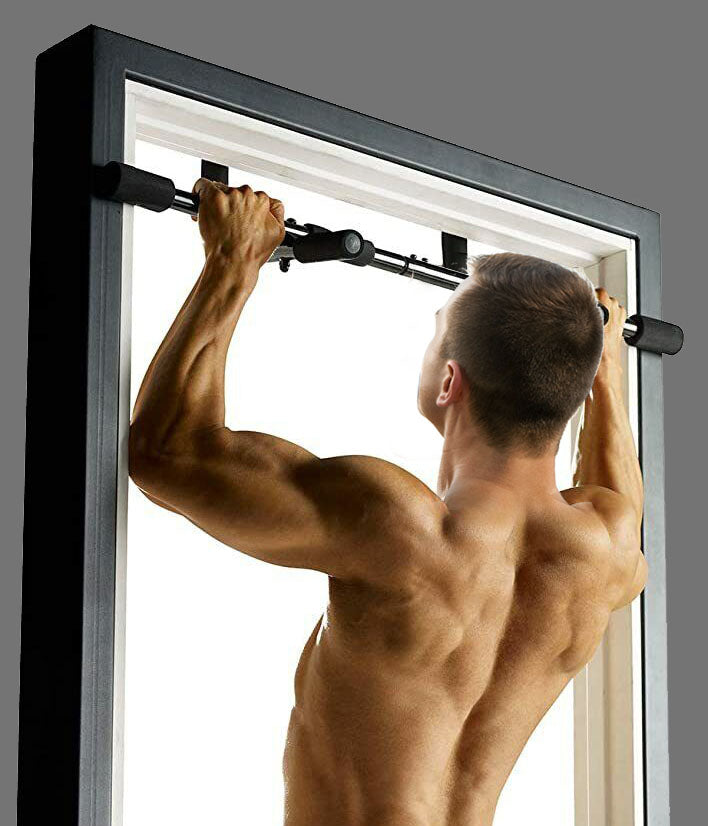
- Pull-ups
- Inverted rows
5. Core and Carry
Your core isn't just about visible abs. It helps transfer force between your upper and lower body and provides stability during loaded movements.
Useful options include:
- Planks
- Side planks
- Dead bugs
- Loaded carries
- Suitcase carries
- Weighted sit-ups
A Simple Three-Day Home Workout Plan
If you want a straightforward place to start, three full-body workouts per week can provide an excellent foundation.
For example, you could train on Monday, Wednesday and Friday, leaving a rest day between sessions.
The workouts don't need to be identical. Changing the emphasis slightly allows you to train the same movement patterns without repeatedly placing exactly the same demands on your body.
Workout A
- Squat variation – 3 sets of 6–10 reps
- Bench press or press-up – 3 sets of 6–12 reps
- Row variation – 3 sets of 8–12 reps
- Romanian deadlift – 2–3 sets of 8–12 reps
- Plank – 3 sets of 30–60 seconds
Workout B
- Deadlift or hip-hinge variation – 3 sets of 5–8 reps
- Overhead press – 3 sets of 6–10 reps
- Pull-up or pulldown variation – 3 sets of 6–12 reps
- Reverse lunge or split squat – 2–3 sets of 8–12 reps per side
- Side plank – 3 sets per side
Workout C
- Goblet squat or front squat – 3 sets of 8–12 reps
- Incline press or press-up variation – 3 sets of 8–12 reps
- Dumbbell or barbell row – 3 sets of 8–12 reps
- Hip thrust or Romanian deadlift – 2–3 sets of 8–12 reps
- Loaded carry or core exercise – 3 sets
Don't have a barbell? Use dumbbells.
Don't have dumbbells? Use resistance bands or bodyweight exercises.
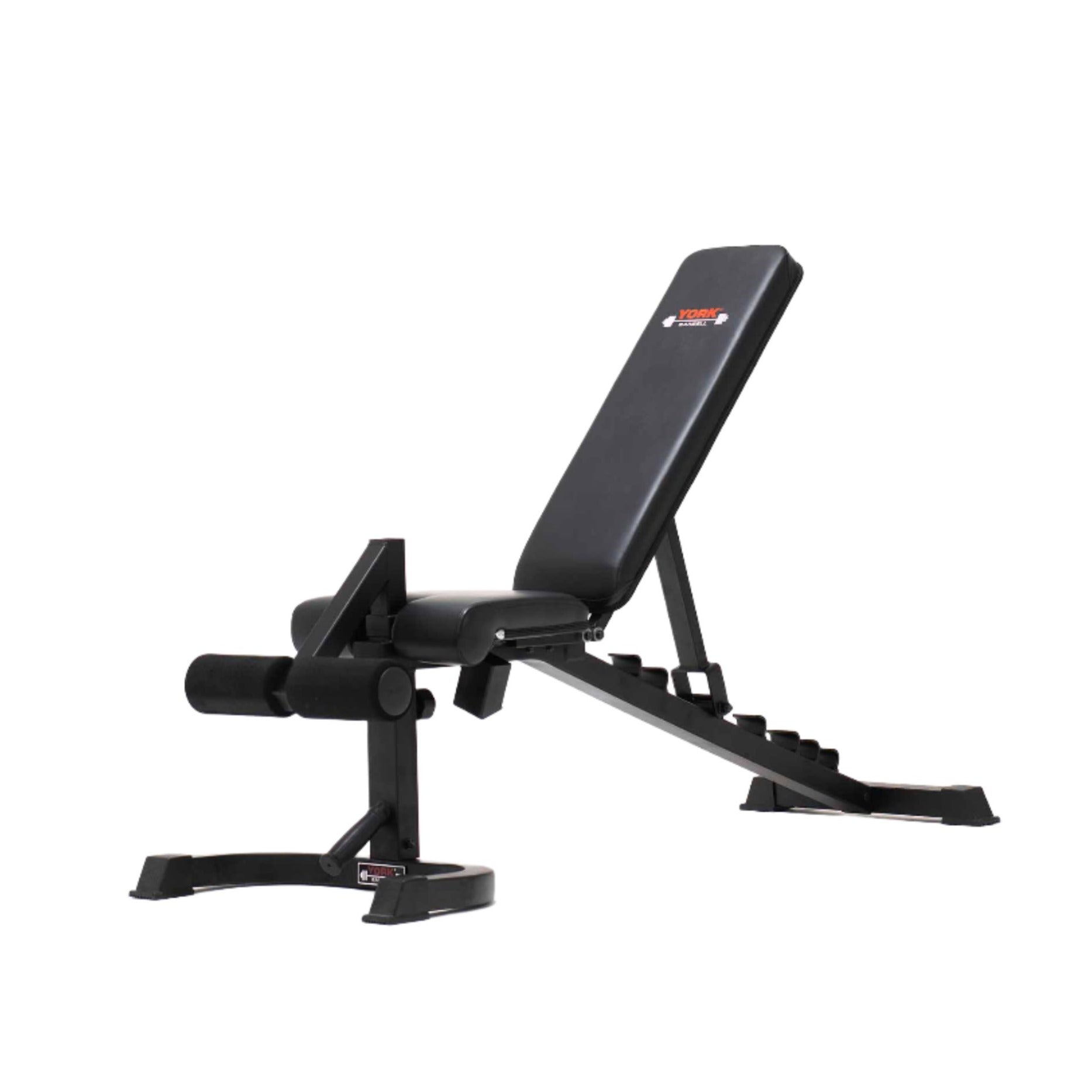
Don't have a bench? Floor presses, press-ups, split squats and standing exercises can fill the gap.
The programme is a framework, not a shopping list.
What About a Four-Day Routine?
If you have more time available, a four-day programme allows you to spread the workload further.
One simple option is an upper/lower split.
Day 1 – Upper Body
- Horizontal press
- Row
- Overhead press
- Vertical pull
- Optional arm exercise
Day 2 – Lower Body
- Squat variation
- Hinge variation
- Single-leg exercise
- Calf exercise
- Core exercise
Day 3 – Rest or Active Recovery
Take a complete rest day or keep moving with walking, mobility work or another low-intensity activity.
Day 4 – Upper Body
- Incline or vertical press
- Row variation
- Press-up or dumbbell press
- Pull-up or band pull-down
- Optional arms or shoulders
Day 5 – Lower Body
- Squat variation
- Romanian deadlift or hip thrust
- Split squat or lunge
- Posterior-chain exercise
- Core or loaded carry
The remaining days can be used for recovery.
How Long Should a Home Workout Take?
A good home workout doesn't have to take an hour.
30–45 minutes is plenty for most strength sessions.
If you're short on time, prioritise your biggest movements first.
For example, rather than trying to squeeze eight exercises into a 30-minute workout, choose four or five movements and perform them well.
A simple session might look like this:
- 5 minutes – warm-up
- 10 minutes – main lower-body movement
- 10 minutes – main upper-body push and pull
- 10 minutes – secondary exercises
- 5 minutes – core or conditioning
That's enough to create a productive session without turning training into another full-time commitment.
How Many Sets and Reps Should You Do?
There's no single magic number.
But for general strength and muscle development, a useful starting point is around 2–4 working sets per exercise, with most exercises falling somewhere between 6 and 15 repetitions.
Heavier compound movements can sit towards the lower end of that range, while accessory exercises can use higher repetitions.
The important thing is that the final repetitions should feel challenging while maintaining good technique.
You don't need to take every set to absolute failure.
Leaving a small amount in reserve can help you maintain form, manage fatigue and recover for your next session.
Progressive Overload: The Secret to Getting Stronger
Doing the same workout with the same weights forever won't produce unlimited progress.
Your body needs a reason to adapt.
That's where progressive overload comes in.
Over time, look for ways to gradually increase the demands of your training.
You could:
- Add a small amount of weight
- Perform an extra repetition
- Add another set
- Improve your technique
- Increase your range of motion
- Use a slower, more controlled tempo
- Reduce rest periods for appropriate accessory exercises
You don't need to improve every workout.
In fact, trying to do so is a good way to burn yourself out.
Think in terms of months rather than individual sessions.
Keep a Training Log
One of the simplest ways to improve your home training is to record what you do.
Write down the exercise, weight, repetitions and sets.
It doesn't need to be complicated.
If you performed three sets of 10 goblet squats with a 20kg dumbbell this week, you'll know exactly what you achieved when you come back to the exercise next time.
That gives you something to build on.
Without a training log, it's surprisingly easy to spend months exercising without knowing whether you're actually progressing.
Don't Forget Recovery
Training provides the stimulus. Recovery allows your body to adapt.
That means rest days aren't wasted days.
They're part of the programme.
Pay attention to:
- Sleep
- Nutrition
- Hydration
- Stress
- Training volume
If performance is consistently falling, you're unusually fatigued or minor aches are becoming more frequent, it may be time to reduce your training load temporarily.
More training isn't always better training.
What If You Only Have 20 Minutes?
This is where a home gym really comes into its own.
If you've only got 20 minutes, don't skip the workout entirely.
Choose three movements:
- One lower-body exercise
- One push
- One pull
Perform three challenging sets of each and keep your rest periods sensible.
That's a short but effective full-body session.
Three 20-minute workouts spread throughout the week are far more useful than waiting for the mythical two-hour block of free time that never arrives.
Make Your Home Gym Work for You
The best home workout programme is the one that works with the equipment and space you have.
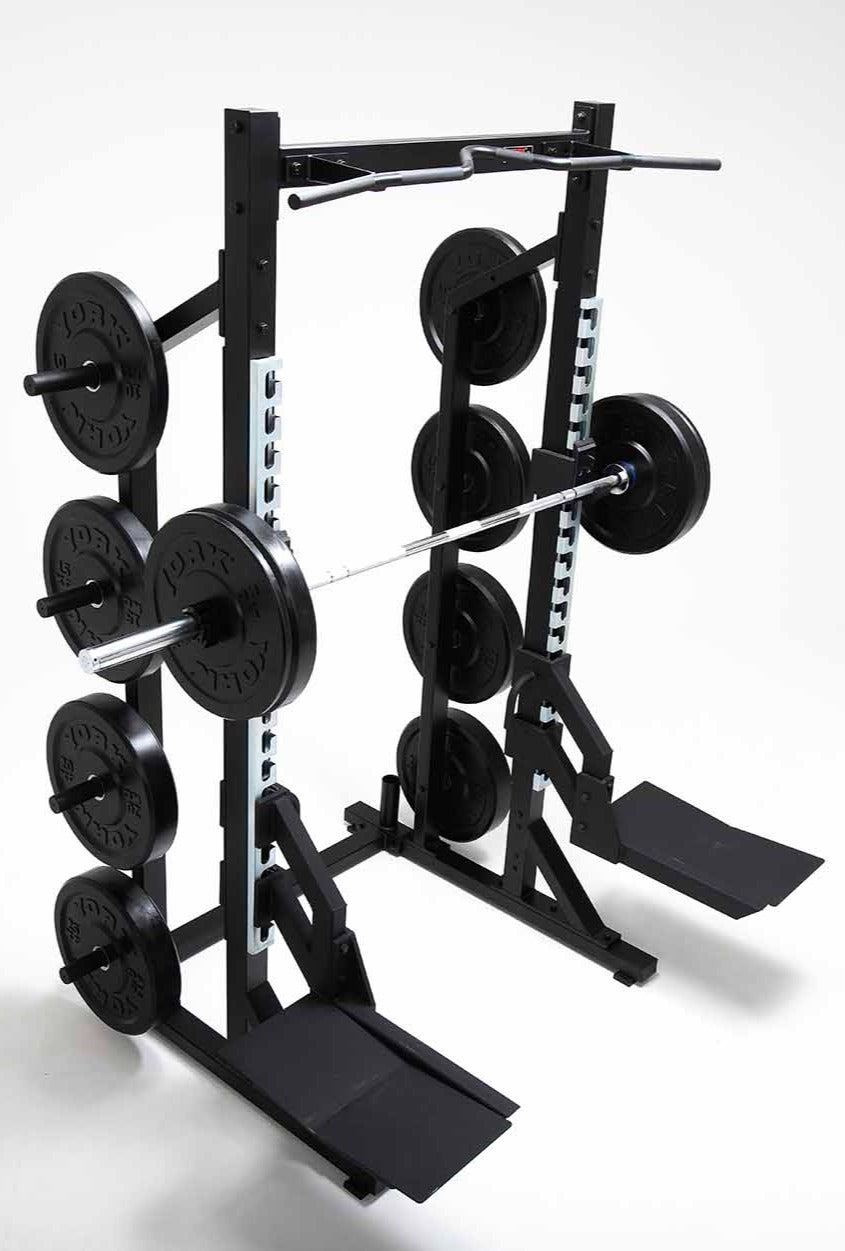
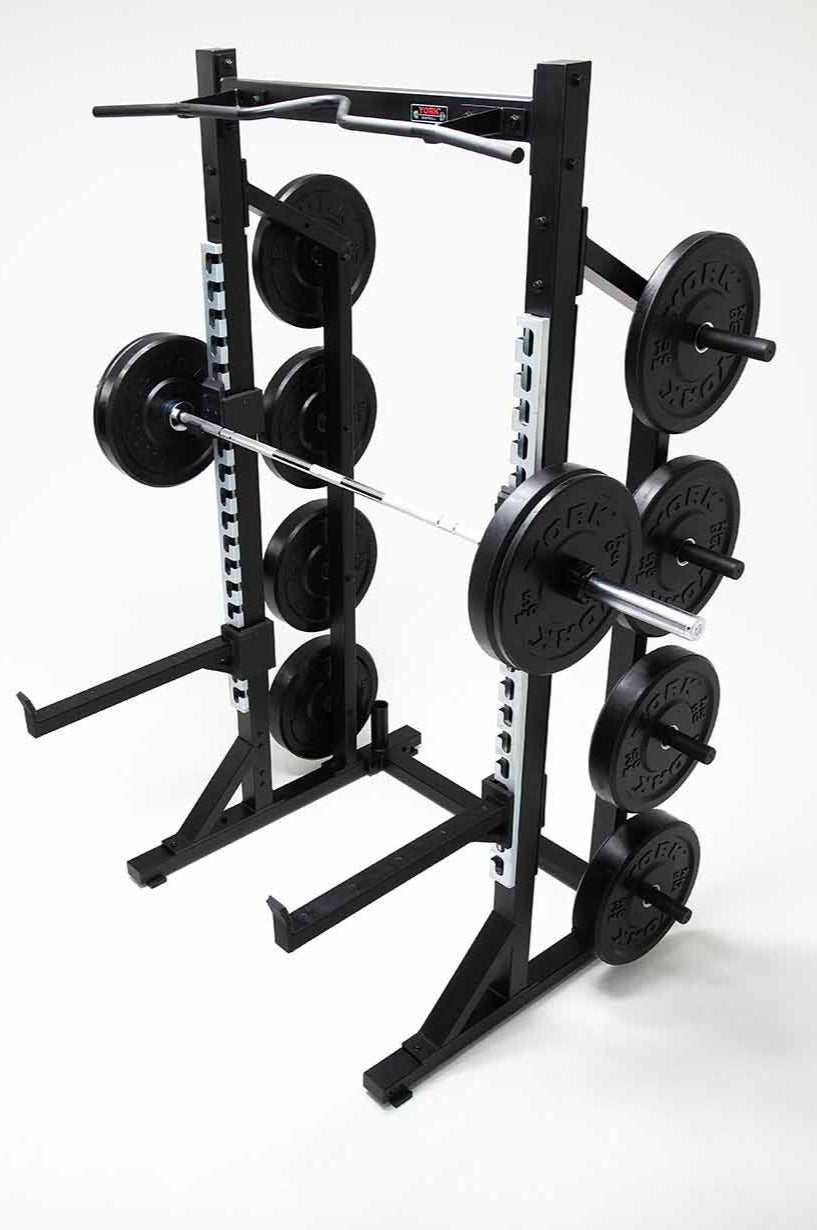
If you have a barbell and rack, make the most of compound lifts.
If you have dumbbells, build your programme around presses, rows, squats, lunges and hinges.
If your equipment is limited, embrace bodyweight and resistance band exercises.
And if you gradually add equipment over time, your programme can evolve with it.
There's no requirement to build the perfect home gym before you start training.
Start with what you have.
Train consistently.
Add equipment when it genuinely expands what you can do.
The Bottom Line: Keep It Simple and Keep Showing Up
A successful home training programme doesn't need to be complicated.
Train three or four times a week. Focus on the major movement patterns. Use the equipment available to you. Challenge your muscles progressively and give your body enough time to recover.
Most importantly, build a routine that fits your life.
Because the best workout programme isn't the one that looks impressive on paper.
It's the one you can still be following a year from now.
Your home gym gives you the flexibility to make that happen. No commute, no waiting for equipment and no need to reorganise your entire day around a training session.
Just turn up, train with purpose and keep getting a little stronger.
Coming Up Next in The Garage Gym Advantage
You've got the equipment. You've got the training plan. Now it's time to look at the space itself.
Next, we'll explore Small Space, Serious Strength: How to Build a Home Gym Anywhere — showing how to create an effective training environment whether you've got a large garage, a spare room or just a small corner to work with.